MONKEYS
TIM
RENWICK
A lifetime with a guitar: Apple, Abbey Road, Bowie, Elton John, Pink Floyd, and the peculiar art of making a living playing music.
Recorded at Tim's house, with the dog occasionally contributing. Microphones possibly balanced on a dog cage.
01 / LISTEN
Chapters jump to the transcript below; the embedded player does not support chapter seeking from this page.
02 / THREE TIMES TIM
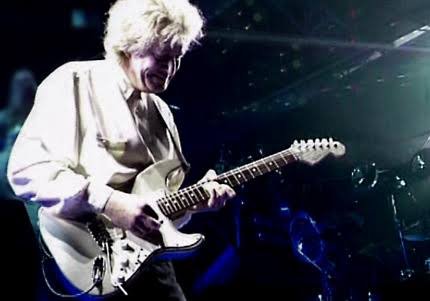
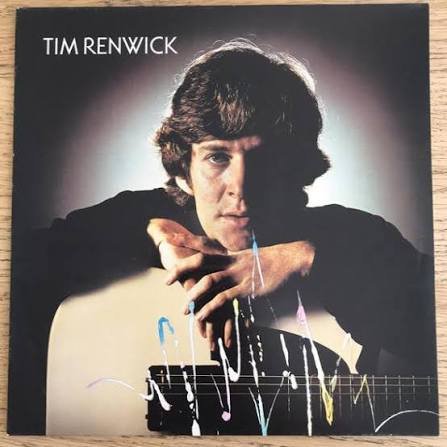
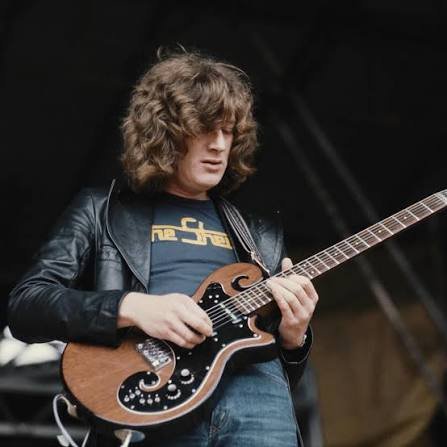
01 — Tim Renwick, early career. Source: Deezer. Photographer unknown.
02 — Tim Renwick performing. Source: Gilmourish. Photographer unknown.
03 — Tim Renwick, solo album sleeve. Source: Vinyl Tap. Photographer / artwork credit unknown.
03 / SOMEWHERE IN THE CONVERSATION
Chapter locations are approximate, pending listening verification.
04 / THE WORDS
Working machine transcript; obvious proper-name errors corrected (Tim Renwick, Procol Harum, Maggie Reilly). Other words preserved for checking against the recording. Search does not edit the transcript.
00:00:00The following is a conversation with the amazing Tim Renwick, a guitarist who's played on countless classic recordings from David Bowie, Elton John, Procol Harum and of course Pink Floyd.
00:15:00Tim and I talked loads before and after this recording and I wish I'd recorded all of it.
00:20:00I could talk to him about his life in music for days.
00:23:00He really must write a book.
00:42:00Works and it looks like that looks pretty good to me yeah and one two three that's moving as well great okay perfect we seem to be so tim thanks very much for speaking to me i'm actually honored um big fan of your work and i know of quite a lot of people who are um so let's start off it'd be really cool just to sort of know where music started for you i know it's a weird question but like where where did um
01:10:00You first get the notion that you were going to be a musician.
01:13:00Well, yeah.
01:15:00I'm from a fairly musical family.
01:17:00My parents both played instruments and sang and stuff.
01:20:00My brother, he ended up playing with the BBC Symphony Orchestra.
01:24:00He's a fiddler.
01:26:00So that basically started off, it was just a house full of amateurs, really.
01:33:00My father met my mother singing in a...
01:37:00in a choir and my dad used to play the double bass we did for quite a while and my mother was a fiddler but mainly as mainly a singer so yeah it came from came from that but it was very much and i played the clarinet and various other wind instruments and things but never really got on quite with it you know with the whole thing i had this sort of yearning to play the guitar
01:58:00the electric guitar, as opposed to, you know, which was looked upon, frowned upon, by my father in particular, as a, you know, what are you going to do when you're 20, you know?
02:09:00Sort of just playing guitar.
02:11:00Yeah.
02:11:00It's not going to get you anywhere.
02:13:00No, exactly.
02:14:00He just couldn't see it, as far as he was concerned.
02:17:00I might have been playing a kazoo or something.
02:19:00It made absolutely no sense to him whatsoever.
02:22:00And I tried for ages to get him to buy me an electric guitar.
02:27:00He said, well, no, I'll buy you an acoustic guitar, classical guitar, that's fine, but I'm not going for that.
02:36:00It's too much of a novelty.
02:39:00It won't be around in five minutes.
02:41:00And what kind of guitar did you have in mind?
02:42:00I can remember when I first ever started, I had the stupid notion.
02:47:00the kind of slightly embarrassing notion when I look back at it, that if I got, like, a red Stratocaster, and some girl came to my front door and I answered it and I had a red Stratocaster on, this is all in my mind, then I would look cool or something.
02:59:00I was like, kind of a part of it, because it's not just about the playing.
03:02:00They look really cool, guitars as well.
03:03:00Yeah, there's a whole kind of cultural thing with them.
03:06:00Yeah, I remember sort of...
03:08:00getting really excited over Selma catalogues and all these sort of ridiculous instruments that you didn't even see.
03:16:00And was that before you even played one?
03:18:00Yeah.
03:18:00Ever, you were just into the idea of playing one?
03:20:00When I was playing clarinet, which I found very inflexible, I tried playing jazz and stuff with it, but it just didn't...
03:29:00Didn't happen for me.
03:30:00I was thinking, no, it's got to be a guitar.
03:32:00And then at school, I met these older guys that used to play jazz guitar in the lunch breaks.
03:38:00So I used to sit in with my clarinet.
03:42:00I used to play the melody, and then they used to improvise over it.
03:46:00Did you do music theory at that point, when you were playing clarinet?
03:48:00Did you kind of learn?
03:49:00No.
03:49:00Or did you just play it?
03:50:00It hardly existed.
03:51:00I mean, in those times, music lessons was, our music master was actually a great musician, but all he did was put a record on and talk about it, you know.
04:03:00Sounds good.
04:04:00Well, yeah, but it was the only way to get to engage in any kind of music.
04:07:00Yeah, because typically there'd be two people interested in the class and everybody else was sort of...
04:13:00Making paper planes and stuff, you know.
04:16:00So eventually, I presume you got an acoustic guitar first.
04:21:00No, I didn't.
04:21:00Did you do it?
04:22:00I was really not interested at all in that.
04:25:00So you went straight for the electric?
04:26:00Eventually, I managed to get my dad to stump up 20 quid and got this Japanese no-name thing, which was awful.
04:35:00which I had for a while.
04:36:00It was only when I went to plug it into someone's amp that I found out that it was just absolutely shocking.
04:41:00And how old were you when you got the first electric guitar?
04:44:00About 14, 13, 14, that sort of time.
04:45:00And then I sort of...
04:50:00Then I got an Echo, an EKO, one of those Italian things.
04:52:00Oh, yeah, my dad had a 12-string one of them, but like an acoustic one.
04:56:00It was quite good, actually.
04:57:00Yeah, they were not bad.
04:58:00They were Italian.
05:00:00Mine was a Switchmaster, which had sort of, I think, three or four switches in the top, which used to pop when you were playing it, and then they'd pop out of it.
05:08:00And you just changed them.
05:10:00They just switched themselves off.
05:11:00They decided to switch you off mid-flight, which is interesting.
05:16:00And...
05:18:00painful frets.
05:19:00I never even got to that stage.
05:20:00I hadn't realised, oh, you can actually polish these and make them so they don't cut your fingers to pieces.
05:25:00So, you know, at that time, I sort of played with some little amateur band.
05:31:00We went in for local talent competitions and stuff.
05:34:00All right, cool.
05:35:00What kind of stuff were you playing?
05:36:00covers of all kinds of things.
05:39:00But at the time, I was very, very keen on the shadows.
05:42:00Yeah, I think everyone sort of loved the shadows and the red strat and the backing.
05:46:00It seems like a lot of people were like, they'd seen the American strat and the shadows and it's pretty holly and whatnot.
05:52:00Yes, it was all like the fuss about, oh, it's the first one in the country.
05:56:00Which I actually have seen, because Bruce Welsh owns it now and I went to a session where he was producing.
06:02:00And he brought it along.
06:03:00Nice.
06:04:00Yeah, fantastic.
06:05:00Well, I mean, fantastic.
06:06:00Gold, you know, metal.
06:08:00It was gold plates.
06:09:00It looked horrible.
06:12:00Fantastic bird's eye.
06:14:00Maple on the neck and the fingerboard and everything.
06:16:00It's really, really lovely.
06:18:00But anyway, yeah, so... And there was a band that used to play Johnny Phillips and swinging hi-fis and used to rehearse in our village hall.
06:29:00Did you start off in the village hall kind of rehearsing or wherever you could?
06:32:00That was, yeah, no, that was...
06:34:00This was early days.
06:34:00I used to just, first of all, I used to go and stand outside and listen to them practising and then eventually they realised that, you know, some geek.
06:43:00it's him again I got invited to go in and sit down and listen to them and I hope it was before I actually played the guitar but I really fell in love with the whole the electric guitar with effects and they had a Wem copycat and lots of stuff going this is the stuff that's really what sort of fired me up to want to do that so and eventually I was playing in this local band and the I was playing in this local band
07:10:00our manager, who was, looking back, it was a complete joke, but he bought me a Strat from a local music shop for 65 quid, which at the time was just like... That would have been a ton of money, wouldn't it?
07:22:00Yeah, lots of money.
07:25:00And anyway, he... Oh, God.
07:29:00Hopefully that's...
07:30:00I'd better take that just in case.
07:31:00Yeah, no, that's fine.
07:32:00Can you take it?
07:32:00I'll pause this.
07:34:00I can get rid of this bit.
07:40:00Hello?
07:42:00Oh darling!
07:44:00I'm just here talking to Martin.
07:47:00I'm just here talking to Martin McCorry.
07:50:00Yeah.
07:53:00Yeah.
07:55:00I will indeed.
07:57:00Alright darling, now stop stop bothering me here again.
07:59:00Cheers darling.
08:03:00Cheers darling.
08:05:00Okay, bye.
08:13:00Yeah, so... What's on?
08:19:00Your personal electric guitar.
08:20:00The Strat.
08:21:00Yeah, the Strat.
08:22:00Yes, I've got a lovely... Well, it was great.
08:24:00And it was one of those things where, I'll pay you back.
08:27:00Yeah.
08:28:00But at that time, we did lots and lots of gigs all over the place.
08:34:00This guy had a printing works in business in Sheffield.
08:37:00So we used to go and do a lot of... We'd do a gig in London or something, and then drive.
08:42:00and doing all nighter in Sheffield and all that.
08:44:00You know, it was... Just up and down the roads.
08:46:00Yeah.
08:46:00It's funny when you're young, you don't even notice that you're doing that.
08:49:00No.
08:49:00You zoom around everywhere and you kind of... You go anywhere for nothing.
08:52:00Yeah.
08:53:00You basically... You get any money, you're just running around playing.
08:56:00It's kind of nice, the love of playing, to be good.
08:59:00Absolutely.
08:59:00You don't even think how much money we're making or how are we splitting this up.
09:02:00You don't even think about that.
09:03:00No.
09:03:00It's just...
09:05:00well, there's a gig, we can do it.
09:06:00Yeah, let's just play.
09:07:00So with that band, did you start to realise that you had an ability as a guitar player?
09:14:00Well, we started to get a bit of feedback from people and I got a couple of... Well, in fact, yeah, I got...
09:22:00Initially got this gig with Jackie Lomax playing in his backing band for Apple.
09:28:00which he hardly did anything at all.
09:30:00I think we did five gigs and a couple of recordings and stuff, but it was actually, we used to rehearse in Apple at Savile Row.
09:37:00Oh, cool.
09:38:00Yeah.
09:38:00And the place where they did the filming of the Get Back stuff.
09:41:00Oh, yeah.
09:41:00Cool.
09:42:00With the green carpet?
09:43:00Did they still have the green carpet?
09:44:00I can't remember.
09:47:00But, you know, that was all very exciting because all the Beatles were coming and going all the time and got to do it with Jackie.
09:53:00We did a session with Paul McCartney and this is actually what ruined Jackie's career, I think, with him.
09:58:00We did a couple of tracks with Paul.
10:01:00And he was initially George's buddy, really, George Harrison.
10:05:00And we did a couple of tracks with him.
10:07:00And then...
10:08:00some stuff with Paul.
10:09:00And I think because he'd kind of gone, oh, I think I'll try.
10:13:00Oh, Paul's interested in doing something.
10:15:00He kind of put each other's nose out and joined a bit.
10:18:00Yeah.
10:18:00Anyway, so.
10:19:00But yeah, so actually I got to do some session work.
10:23:00Did the very first one was for Peter Asher, for Peter and Gordon.
10:27:00Do you remember them?
10:28:00I don't.
10:30:00This is Stone Age.
10:32:00And in Abbey Road Studio 2, it was their first ever.
10:36:00Sorry.
10:37:00It was my first ever session, but it was their last ever single.
10:41:00All right, okay.
10:41:00It was Peter Asher and this guy called Gordon Waller who died a long time ago.
10:45:00And they had some hits as Peter and Gordon.
10:48:00And, yeah, so that was, you know, and I got, I can't remember getting paid, nine pounds at EMI in those days.
10:55:00You got it in a brown envelope with a window in it, you know.
10:58:00Oh, yeah, I don't remember.
10:59:00Was it cash?
11:00:00Cash.
11:01:00You used to get cash, yeah, yeah.
11:02:00Yeah, nine pounds.
11:03:00Wow.
11:03:00And how did it feel like?
11:06:00What did it feel like for you?
11:08:00Because I know, like, for me, I started off as kind of a live guitarist.
11:12:00That's kind of what I wanted to be, bands.
11:14:00And then you kind of end up playing in the studio.
11:17:00And then I think I became more of a studio player.
11:21:00And I kind of got less comfortable playing live, which is exactly the opposite way around.
11:25:00How did it feel?
11:26:00Because the first time in the studio, I was kind of, you know.
11:29:00I'm in a studio.
11:31:00It's a different way of, it's the same thing, but it's a different way of playing, I think.
11:35:00How did it feel when you were on your first session?
11:38:00Very strange, but I mean, as you say, you very quickly find it very comfortable, the fact that everything's been examined under a looking glass.
11:47:00Let's check that out in solo.
11:50:00Don't do that.
11:52:00I'll do it again.
11:54:00Yeah, and yes, and you always, well, a lot of times you kind of leave the studio thinking, God, if I just had another take at that, you know, it'd be there.
12:03:00But yeah, so in a way it was quite frustrating, but I totally agree with you.
12:07:00After a while, that's luxury.
12:09:00Yeah, because you can redo things and you can, it's almost like you can...
12:12:00you can stop and hear what you did.
12:14:00Exactly, which in the live thing you never do.
12:16:00You play in that exact moment all the time.
12:18:00And especially back then, because no one would ever, you know, I just recorded that, you know, so you wouldn't have that, which is never pop up.
12:25:00So that was very, very, very strange.
12:28:00So suddenly to be able to hear everything back and solo things and listen to what the drummer's doing and analyse it a bit, you know, it was wonderful, actually.
12:36:00Yeah, it's great.
12:38:00And playing at Abbey Road as well for your first session must have been kind of...
12:42:00Pretty mind-blowing.
12:43:00Totally.
12:44:00Totally, yeah.
12:45:00Especially, more so as you get older, it's like, Christ, that's the sort of, that's the pinnacle, you know.
12:52:00Yeah, it's probably the most, Abbey Road Studio 2 is probably one of the most famous studios in the world, I would say.
12:58:00I think it's probably the most known studio in the world.
13:00:00Yeah.
13:01:00And yet you go in there and it's sort of a little bit tacky and a bit dusty.
13:05:00Yeah, it's old.
13:06:00It's very kind of old.
13:09:00It looks like a 10 years before the 60s kind of thing.
13:13:00It was probably quite new then.
13:15:00Yeah, and still the canteen and the tea ladies and all that sort of stuff going on.
13:20:00This is like ancient history.
13:23:00So what year was that?
13:24:00What year did you first start recording?
13:28:00Christ knows.
13:32:00it would be late, very late 60s, I suppose, 69 or something like that.
13:37:00And then how did you, so that started you off as a session player?
13:41:00Did you kind of?
13:43:00It's funny, I guess guitarists like, a lot of guitarists like me as well, I kind of wanted to start off in a band, that was kind of what I did, but then I probably ended up becoming a bit more of a session player.
13:53:00Which is really interesting because you get a lot of different things to do.
13:57:00Yeah, it's really interesting.
13:58:00It's not maybe what I thought I would do at first, but I quite liked it.
14:02:00I quite liked playing on tons of different stuff.
14:04:00Yes, absolutely, yeah.
14:07:00And so you became more of a session player, did you?
14:10:00Or were you in focused bands as well?
14:12:00I mean, I kind of was in bands and a session player.
14:14:00Yeah, a bit of each, really.
14:16:00But I think I probably was more sort of keener on the studio work, really.
14:23:00When I got kind of into the sort of...
14:26:00Slightly into the sort of folky thing, I got kind of picked up by Ian Matthews the early days after he'd left Southern Comfort and all that, and after that it was all packed up.
14:35:00So I did a couple of albums with him, and then I got a few folky things came out as a result of that.
14:42:00Yeah.
14:43:00So, um... And what was it like the first time you heard, like, a record that you'd played on being played somewhere, or on a radio or something?
14:52:00Like, what was that feeling like?
14:53:00Yeah, it...
14:55:00It was...
14:55:00I suppose, well, Al Stewart was probably the first thing that, you know, because I did seven albums with him over the years.
15:03:00So, The Year of the Cat and a couple of albums before that, Orange and Modern Times and various things.
15:10:00So, they got quite an airing.
15:15:00although a lot of the stuff that you kind of do you should never hear again yeah basically yeah because you know I suppose it was just the way of the world do you have that thing where sometimes like I've been my name's on a record and I've played on it but I can't remember it at all oh yeah I'm like really and it sounds kind of like it could be me
15:36:00yeah no there's a couple of things that pop up that I get royalties for and I can't remember for the life of me how that happened I don't remember the artist's name the song title or anything I can only think that I was probably working on something and it got picked up by somebody else and they said oh let's put a different vocalist on it and suddenly it's got a different title yeah different title different artist and you're like I could do it
15:59:00remember that one some demo played on something like that yeah just mystery you think well hang on I'm not going to ring him up and go I don't think that was me so what guitars were you using on the sessions and what amps and stuff were you well basically I used to have a lovely Wallace amp a little Wallace amp
16:17:00which was great, which blew up in the end.
16:20:00I used a Fender Twin reverb quite a lot.
16:22:00I love a Fender Twin.
16:23:00And with Quiver, we all had Fender amps and stuff.
16:27:00That was one of my first bands that did anything notable in terms of touring and stuff.
16:35:00And then, of course, when we joined up with the Sutherland Brothers, then we did a lot of international stuff.
16:40:00lots of work in America which was great totally spoiled you don't realise at the time now you think fuck me our first tour of America was supporting Elton John we did 60 dates in 60 days wow the Yellow Book Road tour opening the show for him and it was all stadiums it was just
17:01:00And we were, you know, it was like four-star, the best possible hotels and a lot of it was private jets and things like that.
17:10:00A lot of the things, it was such a tightly run tour, we couldn't actually get to various places by ourselves.
17:17:00And Elton very kindly said, well, you know, jump on the Starship.
17:20:00Oh, OK.
17:23:00Thanks, man.
17:24:00Did you end up playing on some Elton stuff?
17:26:00Oh, yeah, I did, yeah.
17:27:00Subsequently I did.
17:28:00I joined his, well, I was in his band for about a year or something.
17:32:00In his tantrums and tiaras.
17:36:00All right.
17:38:00Largely forgotten.
17:40:00It was a low point, I have to say, a low point in his career.
17:44:00Because he'd split up with, he'd stopped working with Bernie.
17:47:00Oh, right, okay.
17:48:00So he had various people, other people writing lyrics for him.
17:52:00And it wasn't, the material wasn't very good.
17:56:00I played on an album called Single Man, which was just basically Elton and two or three musicians.
18:02:00And he went out and did a tour after that, and I was really upset.
18:05:00I didn't get asked to do it.
18:06:00It was just him and Ray Cooper.
18:07:00All right.
18:09:00And I think even Ray Cooper got a hard time off Elton because it was definitely all me.
18:15:00It's me, it's me.
18:16:00The Single Man album.
18:18:00But I was on that.
18:19:00That was good fun.
18:21:00When did you record that?
18:23:00at the Mill.
18:24:00All right.
18:25:00You know, down there.
18:27:00Gus's studio, bless him, Gus Dudgeon.
18:31:00We did quite a lot of work through that place, which was lovely.
18:35:00So, Tim, what was your...
18:38:00Because obviously you ended up being a great guitar player.
18:43:00What was your practice like to begin with?
18:46:00Was it just more of a... Like with me, I really wanted to play guitar and I had sort of fits of when I first started, like I'm just going to have to try and play loads of stuff that's really hard and just really sit for hours and try and play just to kind of... And I think people don't realise that like...
19:05:00when you look at guitarists often, or musicians in general, you don't realise the amount of sort of learn.
19:11:00I think I talked to Mike Gray, a guitar player, who played with like Iron Maiden and stuff, and he was like, oh, you didn't, you know, these torturous hours of just sat on my own playing, which I'm sure there is, but I mean, I kind of enjoyed that.
19:25:00But what was your practice like, you know, as through sort of stages of...
19:28:00It really depended on what I was doing at the time.
19:30:00I mean, I've never really been much for practising.
19:32:00I'm not very...
19:34:00You know, you're used to some discipline.
19:37:00But sometimes you'd find yourself in a position where you just have to.
19:42:00Occasionally something will come up at the last minute and you've got to learn a whole set of... Yeah, if you've got a stonewall, you've just got to go and learn.
19:49:00Yeah, I went for an audition for Mike Oldfield when he'd fallen out with his regular guitar player and it was five days to him going on a world tour.
20:01:00And they were auditioning guitarists.
20:03:00And I thought, well... Actually, he'd just done the Five Miles Out album, which I don't know whether you're familiar with.
20:10:00I'll have to listen.
20:12:00Well, I went and got it.
20:13:00And I thought, fuck, this is fantastic.
20:15:00I really like the music.
20:16:00Yeah.
20:16:00It's really, really good, quite folky, but very intense.
20:22:00Yeah, so I got the album and wrote it all out.
20:26:00Wrote it all out in bits of manuscript, all taped together.
20:32:00And I think that's what got me the gig, actually.
20:33:00I turned up with it.
20:34:00I said, right, let's play through this.
20:36:00They said, OK.
20:39:00It's just like lining it all up.
20:40:00OK, count me off.
20:42:00But there was a lot of stuff to learn, quite complicated.
20:46:00not straightforward you know complex time signatures and yeah i think he's definitely had like seven eight and weird times oh very weird and it's the other is it kind of quite long like he's yeah soundscape long pieces of stuff oh yeah well these were basically a whole side of you know it was like tubular bells basically yeah you know so it just went from one thing cross fading from one thing into another and then you were off on a world tour
21:11:00Yeah, five days later, to my surprise, got the gig.
21:16:00And that was terrifying, actually, because we were playing all kinds of weird places.
21:21:00In America, we played Berklee School of Music.
21:23:00I was like, oh, fuck, no.
21:25:00Just what you don't want.
21:26:00Yeah.
21:27:00Music.
21:27:00A lot of musicians watching you play.
21:28:00Tons of... Run somewhere who doesn't know.
21:30:00Yes, really.
21:31:00Could we just have a, you know, village hall?
21:35:00But, yeah, so it got quite worrying.
21:38:00So at certain times I'd sort of... You have to really focus and hone your skills for that.
21:44:00Yeah, yeah.
21:45:00But I guess as well, like, a lot of...
21:47:00I always noticed when I was doing a lot of live playing that...
21:51:00I just felt like I was better anyway because I was playing a lot.
21:53:00Yeah.
21:54:00And your hands kind of seemed to work better.
21:56:00Absolutely.
21:57:00You've got thick skin on your fingers.
21:59:00Your fingers are better and your brain, you're connected a little bit more.
22:03:00Things seem a bit easier when you've been playing a while and you haven't and you pick up a guitar that can be a bit muddy.
22:08:00Oh, yeah.
22:10:00Well, another big thing about the Oldfield thing was I was required to play mandolin and bass and acoustic guitar and stuff as well.
22:19:00So it was like...
22:20:00swapping instruments recorder do you play any other instruments these days or do you just play whatever you just pick something up I love playing bass but I've really only well I did I did play a bit of bass when I played with Roger Waters there was a couple of things I played on bass but and Oldfield as well
22:38:00But the main thing was I used to just play, mostly play bass on my own recordings, you know.
22:43:00Yeah.
22:44:00Cheaper.
22:44:00Yeah, yeah, exactly.
22:46:00And you might as well.
22:47:00Yeah, it's right, you know.
22:48:00I think that's how I played some bass and stuff in the era.
22:51:00It's kind of like a guitar with a lot of string.
22:53:00I'll just play it myself, you know.
22:55:00Yeah, exactly.
22:56:00But, you know, then you start to pick up, actually, that's really important there.
22:59:00Well, I do, you know, you change your part slightly and then, oh.
23:02:00changes the whole thing, you know, changes what the drummer plays or whatever, you know.
23:05:00So it was an interesting, interesting thing.
23:07:00Plus my dad being a bass player as well, I felt I'd sort of, I'd spend hours listening to him practising in the bedroom.
23:13:00Yeah, so he's probably inside your head somewhere.
23:16:00Somewhere.
23:16:00The patterns and the lines and stuff.
23:17:00Yeah, and you, you know, you're possibly spending more time listening to the bass in those days.
23:23:00I mean, at one point...
23:24:00I played in the Cambridge Philharmonic Orchestra as a lad, because my dad was one of the bass players in the band, as it were, which is tremendous.
23:36:00I mean, a wonderful experience playing with an orchestra.
23:39:00I'd recommend it to anybody.
23:42:00Live with an orchestra.
23:43:00Live, yes, sitting in a crowd of people is the most fantastic thing.
23:49:00I think quite similarly singing in a choir.
23:53:00there's that experience of standing in a room with 40 other people all singing.
23:57:00Being part of it.
23:58:00Yeah, being in the middle of it.
24:00:00You get this fantastic sort of experience.
24:03:00In fact, it's just live and instantaneous.
24:05:00Of course, you never hear it back.
24:08:00That's the thing as well.
24:09:00When you do these days, everyone's got phones.
24:11:00Yes, yes.
24:12:00I'm glad.
24:13:00Like when I was playing in bands in the 90s, there's no video of it.
24:18:00I wouldn't want to know.
24:20:00No, but it's gone, isn't it?
24:21:00It's gone.
24:21:00It's like that moment and it's gone.
24:24:00I feel like people used to really watch bands.
24:27:00I'd always get a few people and you must get this.
24:32:00You do because I know people who watch you.
24:35:00I've played live.
24:36:00You'd get a bunch of people at the front watching your hands.
24:40:00Yes.
24:40:00Trying to figure out what you're doing.
24:42:00Give me a break.
24:43:00I know.
24:43:00Especially gigs down here.
24:45:00Whenever you can get in a pub, people get really close.
24:47:00Yeah.
24:48:00Do you see what he's using down there?
24:51:00Yeah.
24:52:00They're not watching.
24:52:00They're just trying to figure out what line you're playing.
24:55:00Making a mental list of your equipment.
24:57:00Yeah, exactly.
24:58:00Effect pedals and stuff.
25:01:00So back to your session days.
25:03:00Did you play on the Bowie stuff?
25:06:00Very early.
25:07:00The early Bowie stuff.
25:07:00How did you get around?
25:08:00How did you get on that?
25:10:00I was in a band called Junior's Eyes for a bit, for about a year.
25:14:00And at one point...
25:15:00Our sort of the leader of the band was a guy called Mick Wayne, who's dead.
25:19:00And he got called up to Space Oddity single, just out of the blue, which I think Gus Dudgeon produced.
25:29:00But anyway, he got the call to go and do that at Trident.
25:32:00And at the time, David was thinking of doing a sort of, experimenting with doing a tour and prepared to sort of do stuff live, pretty much the first time with the band.
25:44:00And so when he heard that Nick was in a band called Junior's Eyes and we were around kind of at a loose end, we got called in to do some tracks at Trident for the album that he was, you know, that followed on from that.
25:58:00Yeah.
25:59:00And so, yeah, we kind of got in there and I played on about four or five tracks, I suppose, of that album, which has appeared under all kinds of different titles.
26:10:00What's it called now?
26:13:00A Man and His Music was one of them, which I thought was shocking.
26:17:00So dreadful.
26:19:00Space Oddity, yeah, but it's popped up in various forms.
26:22:00And we did, subsequently, we did some BBC radio sessions and we went off and did a tour of Scotland.
26:28:00Nice.
26:30:00It's really weird.
26:31:00Very strange.
26:33:00I think he probably do things like that.
26:34:00Did he go off to like Northern England and do it all there?
26:38:00He tended to go off and do things.
26:39:00He did some stuff because he got interested in the rats about the time when he met up with Mick.
26:44:00Yeah, yeah.
26:45:00And he'd go off and try things, I think.
26:48:00He looked like, to me, he'd go off and try things sort of outside of London.
26:53:00Out of the way, that's right, yeah.
26:55:00And we did a South Bank show as well.
27:01:00which was at the time, which I remember him being absolutely creased with nerves.
27:07:00I've never seen anyone quite so rigid with nerves.
27:12:00And yeah, it was all a bit of a trial for him, really.
27:17:00But no, he was...
27:20:00very interesting working with him.
27:21:00He was just so kind of fragile, I think, and sort of human.
27:26:00What were the sessions like?
27:28:00So often when I've played sessions of myself, like a lot of the stuff that I've...
27:35:00played on it wasn't really written before we got to the studio like a great deal of it and i think probably most of the stuff i ever it was like right here's the kind of thing and yeah you know you might get a producer sort of saying this sort of thing and it kind of needs to go blah blah blah and they'd sort of maybe give you a sense of the rhythm or something
27:54:00And then you kind of do what you want.
27:55:00And I think a lot of it is written in the studio.
27:58:00Is it like that with the boys or with other stuff that you did?
28:00:00Because that's something that surprised me.
28:02:00Mostly.
28:03:00For a start, no one wrote stuff for guitar.
28:05:00I mean, not like they do now, I'm told.
28:10:00But, you know, no one ever, it wasn't really done.
28:12:00It was like, well, if you get a guitarist in, don't write anything for him because he'll play something better than that anyway.
28:18:00Yeah.
28:18:00You know, how can you write for bands?
28:22:00Yeah, yeah.
28:23:00which they do now, but basically it was sort of head arrangements and make it up as you go along, really.
28:30:00Yeah, I think that's what sort of surprised me with sessions.
28:36:00At most, you just get a chord structure.
28:39:00Yeah, and a couple of run-throughs.
28:42:00Yeah, and, oh, we need a middle eight in there, or play a couple of bars of D, you know, whatever.
28:47:00It was just sort of feeling your way through it.
28:51:00Oh, that's cool.
28:51:00What would you do then?
28:52:00keep that in yeah that little mistake that you just made yeah oh that can't remember yeah yeah you basically making it up as you go along hence there's always a load of really sort of
29:07:00musicians with a massive chip on their shoulder about, I wrote that.
29:11:00Yeah, that riff is me.
29:12:00That's me.
29:13:00And then they overdone an orchestra to it.
29:15:00And it's that, it's that.
29:16:00My notes.
29:16:00Yeah.
29:17:00And then some other guitarist comes in and plays that part as well.
29:20:00They go, that's my part.
29:21:00That's right.
29:22:00I did that part.
29:23:00I say, no, they're just notes.
29:26:00But yeah, so basically a big part of being hired for sessions was.
29:31:00You come up with something.
29:32:00Yeah, they're hiring you.
29:33:00Yeah, well, I played a D chord there.
29:36:00Like it says here, you know, you're supposed to express yourself a bit.
29:40:00Yeah, yeah, and I think as people get to know you, they're sort of honing on you as a person, don't they?
29:45:00Because they like how you do it.
29:47:00Exactly.
29:48:00As a musician, to remember sometimes is, you know, for people who are starting out, it's like...
29:55:00you kind of have to be you as much as you can.
29:57:00I mean, obviously, you're in a session and people are saying, this is kind of what we want, sort of, but you still have to be you on top of that.
30:04:00And I think that's really important, isn't it?
30:06:00Yeah, definitely.
30:07:00And I've got some really good advice.
30:11:00from various older guys.
30:13:00Ray Russell told me, because I was telling him we were talking about session work and stuff, and obviously he does stuff, you know, the people write fly shit for him and stuff.
30:22:00He says, well, you don't.
30:23:00I said, well, I've found myself in a couple of situations where there'd be something written and I basically can't, you know, I couldn't just pick up and play, you know.
30:32:00So he said, well, what you should probably do is...
30:36:00suggest to the producer, you say, look, I can't play that, that's not my style, but I should play something else I think we all like.
30:43:00Yeah.
30:44:00You know, that will fit nicely with it and what everybody else is doing.
30:47:00And nine times out of ten, the guy will go, yeah, all right, lovely.
30:51:00Yeah.
30:51:00Just play what you feel.
30:53:00Obviously, if they don't like it, they can rub it up.
30:56:00Yeah, exactly.
30:56:00You haven't lost anything.
30:58:00And if you do like it, great.
31:00:00If they don't like it, then you never work for them again.
31:02:00And there's also, I noticed, I have.
31:06:00like often in studio, I would turn up for a session or something and you'd get like, here's a song, we've got like an hour, you know, they'd be faffing around in the studio, you'd maybe go off and plink around in a little room to the core structure for a minute.
31:20:00You'd be back in and in an hour later, that's it, forever.
31:24:00That's that record and afterwards you're kind of like...
31:28:00It's weird.
31:29:00You have to kind of learn to...
31:30:00I think that's something you learn from the studio is that you've just got to commit things and do what's... Because things are going to get done that day and that's it.
31:38:00That's right, yeah.
31:39:00It's a strange thing.
31:40:00It's that whole thing about the importance of listening to what's going on.
31:43:00Of course, these days people can move things around and change stuff.
31:49:00But no, initially it's...
31:51:00Yeah, you would have been like probably four-track recording and just playing a lot of live stuff straight on a tape.
31:58:00I guess when I was sort of starting to do more stuff, I think it was eight-track or 16-track probably then, at that point.
32:05:00So I wasn't quite into the sort of mixing everything down to stereo.
32:11:00Bouncing things all over the place.
32:13:00Yeah, yeah.
32:14:00But yeah, so you had a little bit more control over stuff.
32:18:00But I suppose the same sort of basic rules apply, you know, sort of being able to just listening to what's going on and picking up on what people are doing and what's required.
32:28:00And were a lot of the sessions that you played on...
32:31:00live i the whole band in a room kind of playing in a room because that's definitely not the case now i mean people go out sitting i've done sessions where i've sat in the control room and played my guitar and it's amped up in a separate room and yes you know later but i think when i first started i'd be stood in the room with some headphones on
32:49:00with the band and we'd be playing.
32:51:00Yeah, absolutely.
32:52:00Yeah, in the studio as opposed to sitting in the control room.
32:59:00But yes, I mean, of late, that's one of the reasons I started to get a bit fed up with...
33:03:00with being a musician.
33:06:00It was just like, being a guitar player, it was just like a lonely job.
33:09:00You never met anybody else.
33:11:00You're just like, well, when's the guitar?
33:13:00Hurry up, the singers are coming in a minute.
33:15:00You wouldn't even meet them.
33:16:00Yeah.
33:17:00I've done all that.
33:18:00I did some work on an album one time.
33:22:00And then I met a producer and he was a drummer as well.
33:25:00And he was like, oh, yeah, I played drums on that album.
33:27:00And I was like, oh, I played guitar on that album.
33:29:00I didn't meet anybody in the band.
33:31:00And that was the first time a couple of years later I'd met someone who was in the same band as I was in it.
33:35:00I just went in and played four songs in one day in Olympic.
33:38:00That's right, yeah.
33:39:00And I never even, I never met the singer.
33:42:00I just met a couple of producer, engineer and me.
33:45:00And that was it.
33:46:00And it's quite a weird...
33:48:00Very odd.
33:49:00It's very unreal.
33:49:00It's very unnatural.
33:52:00I've certainly done a few things for people that have been a little bit hard on me.
33:55:00You end up doing an album in an afternoon.
33:58:00Which is really strange because it's like you don't even get a chance to play anything back.
34:02:00That's another thing that quite often you get.
34:06:00That's good, great, okay, move on.
34:09:00Can we just hear it?
34:10:00No, we haven't got time.
34:11:00Yeah, let's do the next thing.
34:12:00Yeah.
34:12:00Just grabbing the first take.
34:14:00Especially with stuff like library music, there's quite a few things for other writers and stuff, and it was all that, you know.
34:20:00Can we hear that back?
34:21:00No.
34:22:00Next track.
34:23:00Yeah, just go straight on to the next one.
34:24:00Yeah.
34:25:00Sort of, sort of, sort of.
34:26:00late 60s you were playing with various on various sessions and stuff um yeah what happened then musically we still i take it you were doing live stuff as well as studio stuff at that point yeah a lot yeah and i've generally mixed mixed and matched
34:42:00through most of my career, really, having periods of just doing touring.
34:47:00Because a lot of musicians that you come across would refuse to go on the road because they go, well, this just doesn't make sense because you go away, all your contacts have found somebody else by the time you get back.
34:58:00Yeah, yeah, yeah.
34:59:00You know, and all that stuff.
35:00:00So it's better to just stay in London, just do sessions and not, you know, no going abroad or anything like that.
35:06:00They're just staying around, just keeping the work going in the studio.
35:12:00Yeah, yeah.
35:13:00But I used to, well, apart from that, I just enjoyed the travel.
35:17:00Yeah.
35:17:00You know, finding myself in different situations.
35:21:00So I mixed it quite a lot, mixed it all up.
35:26:00but yeah at the same time you know you go off I did a couple of sort of year long tours and you come back and it'll be like starting all over again I'm home and that feeling as well please please me when you come back and it's like where is everybody although they've got like normal lives and you've been off away doing something crazy hours and traveling around and you know
35:51:00Which usually doesn't mean squat to anybody else because, you know, it's like touring in Mike Oldfield around the world.
35:57:00Well, no one ever really hears that.
35:59:00You only end up doing two gigs in London or something.
36:03:00And that's usually the way.
36:05:00So what was the experience of your first sort of big travelling tours?
36:10:00Well, I suppose the first, well, would have been the Elton John, you know, with supporting Elton John and all that.
36:15:00That was like a baptism by fire, wasn't it?
36:17:00Straight into a massive tour.
36:19:00Stadiums and stuff, you know, it was ridiculous.
36:23:00Yeah, and you get kind of at Brasé.
36:25:00I remember we went back to America with the Sutherland Brothers.
36:32:00There'd been a situation with the record company, Ireland Records we were with, they'd gone independent, previously they were connected with Capital.
36:46:00run by Capital Records and they'd fallen out, whatever, split up.
36:50:00So anyway, little known to us, it was entirely our manager's fault.
36:54:00We'd sort of turned up for this following tour and no one was there.
36:58:00We thought, well, they're small gigs, what do you expect?
37:01:00You can't expect to be doing...
37:03:00stadiums things like that but yeah we'd be doing these club days quite nice decent clubs with like 20 people and no one from the record companies or local djs or people like that nothing no interest whatsoever because we were suddenly now island records had set up their own offices but it wasn't quite going yet
37:24:00And us and a couple of other, Spooky Tooth was one other band that was in the same boat.
37:28:00They went over there and did the same thing.
37:30:00It was like, there's no one there.
37:31:00Yeah, did the dog tooth.
37:33:00You get the dog in for nothing.
37:37:00So, yeah, so you suddenly realise, actually, it's not as simple as it sounds.
37:43:00But obviously, so we got totally spoiled with working with, you know, supporting Elton.
37:49:00Plus, it was a doddle.
37:50:00I mean, you know, go on and play for 40 minutes.
37:53:00And then you're off by half eight.
37:55:00You're free.
37:56:00You're free.
37:57:00You can watch the show.
37:58:00Yeah.
37:59:00Yeah, nice one tonight.
38:01:00Go off and have a meal.
38:02:00Nice hotel.
38:03:00Yeah.
38:03:00Oh, lovely.
38:04:00Yeah, it was all lovely, yeah.
38:07:00But, yeah, so it's very easy to get very sort of lulled into a sense of, we've made it.
38:13:00We've cracked it now, boys.
38:15:00Yeah.
38:16:00And suddenly you're back to sort of, hmm.
38:19:00Starting all over again.
38:20:00So it's got that showbiz, doesn't it?
38:23:00Yeah, I suppose.
38:24:00So I was talking to a friend of mine, Clive.
38:27:00Shout out to Clive.
38:29:00We'll listen to this eventually for sure.
38:31:00And he's a massive Pink Floyd fan.
38:33:00Oh, right.
38:33:00Yeah, yeah.
38:35:00So I was around his studio the other day.
38:37:00I was like, oh, by the way, I'm going to speak to Tim.
38:40:00And he's like, oh.
38:41:00watch this and then he he flung on a video of erm which I hadn't seen before I think it's Pink Floyd in Earl's Court in the 90s oh right and er what the hell did that feel like playing I mean it's an amazing it's an amazing gig like yeah strangely enough how the hell did you feel well this was the whole thing about being completely cosseted you know that was another sort of tour where everything was just fantastic all the the all the
39:09:00The two smallest gigs on the entire tour.
39:11:00In fact, it was really, working with the Floyd, it was like three world tours, really, spread over a number of years.
39:18:00For the first one, we went out and did a world tour, and then instead of stopping at the end of the tour, it had gone through so well that they added another six months at the end of that.
39:29:00So, you know, we were doing tax years away.
39:31:00Anyway, long story short, the two smallest gigs on the whole thing that we ever did were in London.
39:38:00I mean, it's a spectacle.
39:41:00I mean, the technical side of that must have been... Amazing.
39:46:00The mad technical rehearsals, where you just turn up and play guitar, really, because there's a lot of stuff going on, and especially for that time.
39:52:00We did have technical rehearsals that were quite lengthy because they were trying out all these different things.
39:58:00Lasers and... Special effects and things that went up and down.
40:03:00Yeah, so, yeah.
40:06:00It was very interesting.
40:07:00But yes, of course, one of the notable things that happened at Earl's Court was the first night or the first night of the second week, anyway, the seating collapsed.
40:21:00Oh, did it?
40:22:00Yeah.
40:24:00A whole area of seating collapsed.
40:26:00Right at the beginning, the lights went down.
40:28:00There was a sort of...
40:30:00drone started the show off and Suddenly was sort of aware of that's what's going on.
40:36:00This is a bit weird drone keeps still going and Yeah, the whole load of seating collapsed.
40:41:00It'd been incorrectly put together.
40:43:00Wow.
40:43:00Was everyone all right?
40:45:00No, it's quite a lot of people injured but unfortunately nothing serious.
40:48:00No serious injuries a few few broken arms and things but
40:52:00And it was the night all my kids were there and stuff.
40:55:00We had a lot of our guests were there.
40:57:00Yeah, because it's like the home sort of show.
40:59:00Yeah, but we did, you know, it was a number of nights.
41:02:00It was over two weeks, I think.
41:05:00Where was that in the tour?
41:06:00Was it early on or was it later on?
41:09:00It was kind of in the middle.
41:09:00Oh, right.
41:10:00Because it looks, everyone's playing really well.
41:12:00I mean, I suppose, of course they are.
41:14:00You speak for it.
41:15:00But do you know what I mean?
41:17:00It looks really, it looks like you've played it a few times.
41:20:00It looks really good.
41:21:00Yes.
41:21:00It's an amazing performance.
41:22:00Of course, something like that, it is all the same.
41:24:00It's the same show every night.
41:26:00Just from bang the same.
41:27:00Yeah.
41:29:00Nothing much changes.
41:31:00So once you've said, the rehearsals were quite intense and quite lengthy.
41:35:00How long did you rehearse for?
41:39:00Well, it was a question of doing rehearsals here before the tour started and then a bunch of technical rehearsals in America, which generally they do, you know, rent an aircraft hangar or something.
41:51:00Yeah, a massive spot to... Yeah, yeah, and then you sort of do two or three weeks in that situation.
41:58:00And, yeah, and then go out and actually get to grips with the tour.
42:02:00It was very strange altogether.
42:05:00It was a lot of...
42:06:00It was a lot of fun.
42:08:00situation so you well i don't know you wouldn't really kind of believe it now but the drum nick
42:14:00didn't really rehearse or practice at all.
42:17:00So before we started rehearsals, he hadn't touched his drums for six years.
42:23:00Wow.
42:25:00He hadn't played a note, hadn't played a beat.
42:29:00And so he found, in rehearsals, he kept having to stop.
42:33:00He was knackered.
42:34:00I've got to sit down.
42:36:00And in the end, we had oxygen brought in for a couple of occasions.
42:41:00And...
42:45:00Yeah, it was very strange.
42:46:00I suppose he's quite physical as well, drumming.
42:48:00And it can be quite sort of draining as well if you haven't played for a while.
42:52:00Well, he was so out of kilter with the whole thing that he'd do things like he'd lose his place in the song and instead of just carrying on as you would do normally, he'd stop.
43:04:00He'd stop playing.
43:05:00And I remember a couple of the first gigs we did, we did a couple of gigs in Canada at the beginning of the very first tour.
43:12:00And I used to shout, don't stop, Nick.
43:14:00Keep going, man.
43:16:00It's like, whatever you do, just... Just carry on.
43:19:00Carry on.
43:19:00Just bust.
43:20:00Just jam it out.
43:21:00Yeah, yeah.
43:21:00Get away with it.
43:22:00They'll never notice it.
43:23:00And there was a lot of, you know, we were very... We used to have group meetings.
43:27:00We're like, are we going to make it through?
43:29:00This is... Oh, it's all going to go horribly wrong.
43:32:00But no, it never really went horribly wrong.
43:35:00But there's always that, I think, playing live there's always that chance.
43:38:00And it's always in the back of your mind.
43:40:00Were you nervous before?
43:41:00Do you get nervous before you play?
43:43:00Or were you nervous?
43:44:00The beginning of the show.
43:46:00I noticed the first couple of gigs I'd be... Yeah.
43:49:00There was also so many things technically that you'd think, well, fucking hell, there's so many special effects and things that could go wrong.
43:56:00And they didn't, strangely enough, or at least nothing that we really particularly noticed.
44:02:00But a lot of the visual things were synced up too.
44:06:00We had these sort of prehistoric...
44:09:00tapes that were actually, which were done.
44:12:00So you end up with like Roger Waters' voice going, one, two, three, now.
44:21:00That's the cue.
44:21:00Yeah.
44:22:00But yeah, it'd be literally 192, 193.
44:26:00Yeah, because everything was synced up with this sort of prehistoric visual stuff.
44:35:00which they decided to use all the original as much as possible, the original sort of visuals and film clips and stuff.
44:41:00It really was film, you know.
44:43:00And, yeah, it was very odd, because also another thing about the whole thing was the sort of the big circular screen that they used right through the whole thing.
44:55:00You never actually got any idea what it looked like at all.
45:01:00Because, you know, looking up at lighting effects and things, you never get an idea.
45:06:00Yeah, your perspective's completely...
45:09:00Totally different.
45:10:00Totally different.
45:10:00And the sound as well is completely different often on stage.
45:13:00Oh, yeah.
45:13:00Well, we were like 85 feet apart and stuff.
45:16:00It's a massive stage, yeah.
45:17:00Anyway, we did try in-ear monitors and no one really got on with that.
45:22:00Yeah, do you use it?
45:22:00I think the last tour I did, they were doing a lot of veneer and it didn't seem natural to me.
45:29:00I can't get along with it.
45:30:00People seem to love it these days, but I just pulled it out and just got on a wedge or something.
45:35:00When you think of it, it is completely unnatural.
45:37:00Yeah.
45:39:00And we did try it subsequently.
45:41:00We did some live stuff with Mike and the mechanics, touring with them, and they all, we did use, because a lot of stuff was sequences and things going on.
45:51:00And the majority of the band decided it would be better to have the in-ear.
45:55:00So it went along with that.
45:56:00And you do get used to it quite quickly.
45:58:00But it does, even though you have to have mics on the audience so you can hear their response, otherwise it's like you finish the number and silence.
46:07:00It's unnerving.
46:09:00So you used to have, you know.
46:11:00Otherwise, you just wouldn't hear it.
46:13:00Someone could be.
46:15:00shouting or something or you know a road crew or whatever it could be there and you can't hear them and you can't hear someone just breaks up any kind of yeah it's like being in your own it's been in your own little world it feels a bit like you kind of remove from the space that you're in totally totally and it's really i remember that you know because i didn't rehearse with them in and they've got on tour and they gave me one and put it on and i was like
46:36:00what is this?
46:39:00Yeah, exactly.
46:40:00Yeah, I had big problems with that.
46:41:00Of course, half the thing now, of course, we very quickly realised that all the guys have their own special, you know, have their own special earpieces that they use and stuff.
46:54:00You know, otherwise you just get something like kind of...
46:56:00Yeah, try these.
46:58:00Are they going to work?
46:59:00Are they going to be comfortable?
47:01:00No.
47:03:00Are they going to exclude sound from whatever you're not supposed to be hearing?
47:09:00Yeah, so basically, I've not really felt comfortable with them really ever.
47:17:00Although singers seem to absolutely love them because you can sing.
47:20:00Really quietly, fill a hole.
47:24:00Singers can be a pain.
47:25:00Yeah, Phil Collins, great.
47:29:00People like that, you haven't got tremendously powerful voices necessarily, but you can just sing effortlessly at any level.
47:39:00So how did you get to work with Pink Floyd?
47:43:00How did you get to play live with them guys?
47:48:00That's a good point, actually.
47:49:00Well, I mean, I've known, I've been on the periphery of the band because I've been from Cambridge.
47:55:00So I went to school with Roger Waters and it was a different year, admittedly, but quite a few of the other guys.
48:05:00and sort of knew, not terribly well, but I sort of knew Dave a bit.
48:09:00Willie, the drummer that I've worked with over the years for a long time, he was one of his best friends, played in early bands with Dave.
48:17:00So it's basically just sort of having some communication with Dave.
48:22:00Yeah, just knowing, like an old mate sort of thing, and kind of hanging around the same scene.
48:27:00Because it was...
48:30:00Certainly when I was younger, you kind of got to know the other bands.
48:34:00Yeah.
48:34:00And they would get you in.
48:37:00If you were especially from a place, you'd know the seven or eight other bands that were around that place and you'd kind of meet each other when you were playing.
48:44:00Yes, yes, there's all that sort of stuff.
48:47:00So, yeah, socially, Willie used to hang out quite a lot with Dave.
48:51:00Oh, was that also Dave?
48:53:00Of course.
48:54:00With the Southern Brothers, he came and he helps out quite a lot.
48:57:00We used to rehearse at his...
48:58:00home studio for a while for various things.
49:03:00And he came and produced a couple of tracks for us with the Sutherland Brothers.
49:07:00So at that point, we were seeing quite a lot of him.
49:12:00I'd almost had several opportunities to play with him.
49:16:00I was asked to do The Wall.
49:20:00But now what happened?
49:24:00Snowy White, that's right, it was Snowy.
49:27:00He was supposed to be doing a tour with Thin Lizzy and because he couldn't do this particular section of the wall performances, which they were very odd because they only ever did a few concerts.
49:40:00The idea of a tour was doing about eight gigs and about six months of rehearsals.
49:45:00But Roger refused to do more than a certain number of actual live gigs.
49:51:00But anyway, I got asked to do this thing.
49:52:00And then just before it was due to start rehearsals, someone threw a glass at Phil Linnett or something.
50:01:00And he got a bit of glass in his eye and they cancelled the tour.
50:04:00So Snowy was suddenly available to be... Oh, right, OK. You know, so it was... Boiled again.
50:10:00Yes.
50:11:00So when it actually did come up, it was great, really, because I'd sort of given up the thought of ever doing stuff with them, despite knowing Dave and...
50:20:00you know, knowing the whole set-up, really.
50:24:00But, yeah, I got this out of the blue call.
50:26:00And then they just, even then, they'd only put tickets out to do, I think, a six-week tour of America to start with, and they all sold in, like, three hours or something.
50:35:00Yeah, yeah.
50:35:00And from that point of view, it was like, oh, hang on, here we go, 18 months on the road.
50:40:00Just constant touring.
50:42:00Yeah, yeah.
50:43:00And what was that like?
50:43:00Was it, like, well-catered for?
50:45:00Was it a nice tour, or was it...?
50:46:00Brilliant.
50:47:00It was brilliant.
50:50:00Yeah.
50:51:00Coincidentally, it was odd because at the time, Dave had just, sort of from a social point of view, Dave had just split up with his wife, was in the process of splitting up with his wife.
51:01:00Steve O'Rourke, the manager, had just broken up with his wife.
51:05:00Nick Mason had just split up with his wife and got a new girlfriend.
51:07:00So going on the road with them, it was like party time, basically.
51:12:00And there was a tremendous amount of partying, sort of hanging out and sort of...
51:17:00concentration on things social.
51:19:00Yeah, yeah.
51:20:00And, yeah, no, it was tremendous.
51:23:00Really, really good.
51:24:00Good fun.
51:25:00Lots of partying, lots of clubbing and stuff, which in a way was good, in a way was bad.
51:31:00I'm sure the band were reducing themselves to jelly.
51:37:00The substances, you know.
51:39:00But, yeah, no, it was tremendous.
51:42:00We got utterly spoiled.
51:44:00That was one of those, you know, you come back from a long tour, it's like, how do I do this?
51:47:00What's real life like?
51:49:00Yeah.
51:50:00What do I do now?
51:51:00Oh, put the rubbish out.
51:53:00Where did we used to do that?
51:55:00I've got to carry my own amp somewhere.
51:57:00It was just daily things like, what day of the week do they collect the rubbish?
52:02:00Yeah, yeah.
52:03:00Even being back in the normal world is strange.
52:06:00It must be really strange because, I mean, Floyd were massive, you know, they're a huge band, so it must be...
52:12:00I wonder what it feels like to get caught up in that.
52:14:00It's very strange.
52:15:00It is very strange.
52:16:00Because also, to a great degree, they're very anonymous.
52:19:00So, you know, you'd sort of be in hotel lobbies and they'd sort of all walk in and there'd be all these fans waiting around.
52:26:00you know, autograph books and piles of albums to sign, and no one had recognised them.
52:31:00Just breezed past.
52:32:00Yeah, just, no one knew what they looked like, you know.
52:36:00And for us, us sort of sidemen guys, we had no idea, no clue who we were anyway.
52:41:00So, you know, we didn't get any hassle.
52:43:00It was nice.
52:44:00Yeah, there was no screaming kids and, you know.
52:47:00But I've done the old tour where I did a tour with Nick Hayward just after the Haircut 100 thing.
52:54:00And that was just murder because there's all these screaming kids trying to tear people's clothes off and stuff.
53:01:00And it was just a pain in the arse.
53:06:00But no one basically got the feeling no one was really listening to the music at all.
53:10:00Yeah, it's the sort of thing that's going on, isn't it?
53:13:00The scene, what's happening.
53:15:00It was just a screaming girls thing.
53:17:00So I had a little bit of that, but enough of it to sing.
53:20:00Do you realise why the Beatles got totally pissed off?
53:23:00what did you imagine shea stadium couldn't hear a thing well i mean they're like two roadies didn't do something yeah and yeah and someone else and yeah remember it's like the fox ac30s it seems insane to me that that's but i guess they were sort of right in the book i guess because i don't think anyone else did anyone else done that i don't think so i don't think some anywhere near that but they would
53:46:00That must have been insane.
53:47:00Two roadies, no security.
53:49:00Yeah.
53:49:00Police.
53:50:00It's insanity.
53:51:00No monitors.
53:52:00Nothing like that.
53:53:00Yeah.
53:54:00No rotary.
53:54:00And they sound great.
53:55:00Like, if you actually hear...
53:56:00But when you can hear them, they still sound pretty good.
53:59:00Yeah.
54:00:00There must have been some tight players, them guys, because... Yeah, because no one could really hear what was going on.
54:06:00They could hear what was going on.
54:07:00Right.
54:07:00So what did you do after the... sort of during the 70s, musically?
54:13:00All sorts of stuff.
54:14:00Sessions.
54:15:00Loads of sessions.
54:16:00Loads of little bits of touring with people.
54:18:00Yeah, there was a couple of... Well, there was a singer called Maggie Reilly.
54:26:00who I've sort of known for, well, I met her through Mike Oldfield.
54:29:00She sang Moonlight Shadow.
54:32:00Ah, that's what I knew the name from, yes.
54:34:00Well, there's lots of Maggie thingies that sound the same.
54:36:00Oh, I know her.
54:36:00No, you don't.
54:37:00It's a different one.
54:38:00But anyway, yeah.
54:40:00So I've done quite a few bits and pieces with her.
54:44:00She used to record in Germany quite a lot of stuff.
54:48:00And I've done, I was sort of a band.
54:53:00band leader I suppose, which is a horrible gig to do when the band's not very good.
55:00:00It's awful.
55:01:00And you get the blame.
55:02:00Yeah, well, yeah.
55:05:00Very strange.
55:06:00But yeah, just lots and lots of bits and pieces and quite a lot of stuff with Paul Carrack.
55:11:00And what sort of instruments were you using?
55:14:00What instruments do you like?
55:15:00What guitars?
55:16:00Because I know people who really like...
55:20:00I'm not that I'm pretty you're a strats guy I'm a strat man yeah really yeah definitely have you got a favourite favourite strat or er not really no I've got I've had sort of various different strats in different forms I mean Thomas has built me a couple yeah they're great he's going to have to build me one at some point yeah no it's great attention to detail and everything um
55:49:00But yeah, of course these days, it's almost like a controller in the instruments and it depends because you've got so many, in a lot of cases, so many effects and things that it doesn't really matter.
55:58:00You could be playing a jam or anything.
56:02:00Yeah, yeah, yeah.
56:03:00As long as it's kind of set up now.
56:04:00Yeah, a bit of a signal.
56:05:00Yeah, as long as you can play, physically play it.
56:09:00But yeah, Strat, that was my kind of go-to thing, really.
56:15:00I've had Les Pauls and Tellys and things like that.
56:18:00I've never really got on that well with them.
56:21:00Yeah, I find strats, I tend to play Gibsons, I like the 3-3-5, because they're kind of easy.
56:28:00They're quite forgiving, I find.
56:30:00And I always found strats very dynamic, they're subtle.
56:34:00They can be really subtle.
56:36:00If you play them hard or soft, they sound completely different.
56:38:00Whereas I think the 3-3-5 always kind of, at least you get away with murder a little bit.
56:43:00Or it did with me, because I'm a bit of a, you know, I'm not quite as a subtlest of players or something.
56:49:00But I think strats...
56:54:00a bash at that not too much but yeah but you know I kind of always found Gibson's quite forgiving and I think I started off with them for some reason I think whenever you generally speaking whenever you started off with you feel yeah you kind of stick with the rest of it yeah you just feel comfortable with the balance the weight of it
57:11:00And they're beautiful things, strats as well.
57:13:00They look great.
57:13:00And that's what turned me on to wanting to play a guitar.
57:16:00Leo Fender had it sussed, didn't he, in the first couple of years.
57:20:00Basically, no one's really improved.
57:21:00Yeah, I don't think there's a better looking...
57:23:00There's not really any better looking guitars, is there?
57:25:00No.
57:26:00It's kind of a Cadillac-looking thing.
57:27:00It's an amazing piece of... And also, one of the things that Tom pointed out to me, the fact that the reason that they've...
57:35:00They're like that because that's the way wood came in that thickness and stuff.
57:40:00Yes.
57:41:00It was all basically designed so they could be assembled by ladies.
57:47:00Old ladies assembled those guitars, you know, like an assembly line.
57:51:00And so it was all made really, really simple.
57:54:00So, yeah, and so simplicity is, you know, rules really.
57:58:00That's how you can come up with a telecaster and a stretch, you know.
58:05:00Yeah, it's super easy.
58:06:00Yeah, yeah.
58:07:00It's just the way, you know, why they're that thick, the bodies are that thick, it's because that's the thickness that the wood came in.
58:13:00Yeah.
58:14:00You know, that sort of basic, simple stuff.
58:17:00So what effects, are you a big effects user?
58:21:00It varies, it varies.
58:22:00It varies, but...
58:25:00I've always liked really nice reverbs.
58:27:00Yeah.
58:29:00And discrete repeats and all that.
58:34:00Yes, but maybe, I don't know, I'm not...
58:37:00It sounds a bit weird.
58:38:00I'm not really that picky.
58:40:00You just think, well, a reverb, an overdrive, a repeat echo.
58:47:00And that's about it, really.
58:48:00Yeah.
58:49:00Kind of, you know, it's sort of the clone thing.
58:52:00I think it all started to go a bit...
58:54:00It's all gone a bit... Like, I think that's the internet or something, because I'm like...
59:01:00It's how much?
59:03:00Yeah, it's like, what?
59:04:00Does it really sound that good?
59:06:00Or does it make you play better as well?
59:08:00Because it's really expensive.
59:09:00I want to play someone to play the guitar.
59:12:00I'll play someone to play it, you know.
59:15:00It's ridiculous.
59:16:00I was always pretty much a plug straight into the amp.
59:20:00Maybe it's going to have a drive pedal, a distortion or something.
59:25:00And I remember when I used to go out on tour, I'd always at the end, the last couple of rehearsals, play everything just straight into an amp, just in case, with my mindset.
59:33:00That's a very good idea.
59:34:00I'd be like, I'm going to unplug all the pedals, something's going to go wrong or something, and I'd plug straight into the amp and play the whole set.
59:40:00And if it kind of sounds all right like that, then at least I can relax.
59:43:00Yeah.
59:45:00And a friend of mine, I remember, he was a...
59:47:00he's really a great pianist and bass player but he played a lot of guitars one of them guys who can play everything yeah he got interviewed off guitar magazine and like you know what guitar do you play in is a red one and i quite like that it's like you can get kind of quite caught up in in the gear and especially these days people on the internet are like you know if you're not using this thing with that thing and these gold-plated leads i'm really not like that
01:00:11Just give me the basic stuff and then I want to try and make that sound as good as I can.
01:00:15Yeah, no, I think you're right there.
01:00:17I think the internet's responsible for a lot of total bullshit.
01:00:22It's like what gear does Soto use?
01:00:24Everyone goes out and buys all this exact same gear and it's like, but you're not going to sound like that.
01:00:28No, no, exactly.
01:00:30It's in their fingers, man.
01:00:31It's just like completely, you know, you just can't.
01:00:34You can get all the exact same thing as somebody else and it doesn't matter.
01:00:38No, exactly.
01:00:39I've done a few things with Jeff Beck and he's a prime example.
01:00:45I think he's my favourite.
01:00:46I'm sure he's most people's favourite guitarist in terms of the way he approaches the instrument and everything.
01:00:52And he's so dynamic.
01:00:54But he, a lot of times I've seen him play just straight into the... Yeah.
01:00:58And he's fantastic.
01:01:01Chris Spedding is another one.
01:01:02He just, I've seen him play with like an old sort of Gibson Melody Maker, which is like some, I had one once, I thought it was horrible.
01:01:10You know, he used to move the neck and everything goes out of tune.
01:01:14Anyway, he could just, because he basically works with the, you know, playing with the volume backed off.
01:01:21And then to solo just turns it up a little bit.
01:01:24And that's it.
01:01:24But he's cut it down to an art.
01:01:26It's exactly how to control.
01:01:30And that's really how everyone started, I suppose.
01:01:34Certainly of that genre, that age.
01:01:37Yeah, you have to learn how to get the sound out of that instrument in as simple a way as possible.
01:01:43The overdrive, yeah.
01:01:44I was the same, I just couldn't afford stuff.
01:01:47I spent all my money on a guitar or whatever and then I can't afford to be... And for a long time it was with me, it was just, well, everything's got to be full on, otherwise you're not going to be getting the...
01:01:56But no, try backing it off a bit.
01:02:00then I used to do that in sound checks I'd be like I'd turn it down to like four or five and as soon as it wasn't sound check I'd turn it on full and loud and sound engineer would be swearing at me like what are you doing
01:02:12Yeah, well, that's quite a common syndrome.
01:02:14I still come across people that do that.
01:02:16Also, the foot pedal, volume control, that's the one.
01:02:21Yeah, you see, you know, you've got the level, let me see.
01:02:24You've only got it half the way down.
01:02:26Ah, yeah, but you see, well, no, hang on.
01:02:29When you actually get the, you know, the head of steam up.
01:02:35The foot goes down and you're twice as loud.
01:02:39So how has being a musician and being a guitar player changed over the past decades, since you started?
01:02:48Like, how's the industry?
01:02:53Well, I think it's basically the thing that I found.
01:02:57It's just, you know, it's turned into...
01:03:01a very solitary occupation.
01:03:03You lose that whole thing about playing with other people, actually together, performing stuff, which is, I think...
01:03:11One of the things that you really kind of get the most buzz out of when you start playing with a band.
01:03:16That's why you want to be in a gang.
01:03:18That's it.
01:03:19Play and go off and explore.
01:03:22Exactly.
01:03:22Responding to other people jamming and what have you, that whole thing.
01:03:25And that seems to have gone, you know, to a large extent.
01:03:29And it's down to people making records in their bedroom and stuff.
01:03:33Yeah.
01:03:33You think, well, you know, there's a...
01:03:35It's a great thing, because wonderful stuff's been done like that, but it sort of takes away the basic element of playing, as you say, with your mates in a band, you know, together.
01:03:45You don't see that happen.
01:03:46Yeah, it's the sort of thing you'd listen to the Beatles or the Stone Roads or whoever it was, and you'd be like, I just want to be, I want to be like them.
01:03:53Yeah.
01:03:53You know, and that would kind of make you learn how to play, because you'd want to be like that, you know.
01:03:58That's right, yeah, and the Stones, bless them, are still doing it the same way, you know, they just play together.
01:04:04you know, um, it's not necessarily all turn up for the sessions at the same time, but yeah.
01:04:12So who are your, your musical influences?
01:04:14Who were they sort of when you started off, like in terms of players of guitar or other instruments and, and musically, and, and is that changed over, over time?
01:04:26Not really, not, not, not a whole, I think it's probably, you know, probably the same, same.
01:04:34dinosaurs and everyone.
01:04:35Yeah.
01:04:37Yeah, Hank Marvin.
01:04:38I used to think he was great to start with.
01:04:39And actually, Bruce Welsh as well.
01:04:41That sort of clean rhythm.
01:04:44The rhythm player, what was his name?
01:04:47With the searchers.
01:04:51Jim McNally, John McNally.
01:04:53He used to be, he was a hero of mine.
01:04:55He had a very, very clean, clean rhythm.
01:04:58Bruce Welsh was very, very similar.
01:05:01The stuff with the Shads.
01:05:03Although you think, well, actually, you know, he got corny and everything, but that's just immaculately played.
01:05:09And it made me appreciate the rhythm.
01:05:12Rhythm is playing.
01:05:13Yeah.
01:05:14Rhythm playing is actually quite distinctive.
01:05:17Well, it's the kind of important bit often.
01:05:19It is, yeah.
01:05:20You know, everyone wants to be a lead guitarist.
01:05:23Yeah.
01:05:24You know, and it's a funny one.
01:05:25Like, sometimes if you say, I don't know if you've faced it, but I've had...
01:05:29People say oh you play guitar say yeah, you know play something and it's like well Yeah, I think I saw slash other on YouTube being interviewed or something and even say play something But what make any sense because it's the part of a song Yeah, it's like yeah, I think they expect you just to play the whole song somehow on an instrument It's like well the leap.
01:05:48It's like gonna sound just like pinky punk and then
01:05:52The rhythm is really important to get right.
01:05:54It really is, yeah.
01:05:55It's the sort of bedrock of all the parts.
01:05:59And often I think the really simple, doing the sort of simple parts well, I would say to a lot of...
01:06:05I think that would be sort of my epitaph, if you like.
01:06:10People would get me in because I could play simple things quite well.
01:06:13It'd be like, oh...
01:06:15You're not going to overcomplicate stuff, but you're going to play a nice part for this thing.
01:06:18Yeah, absolutely.
01:06:18And that's quite, that's like a lot of your work.
01:06:20It's booketing in the MGs.
01:06:22You listen to that and it's all, everyone's playing real simple, but it all gels and it's only four of them, you know.
01:06:29And it's a big sound, makes a big sound.
01:06:32Yeah.
01:06:33And, yeah, that's, yeah, that's quite a thing.
01:06:36I think it's sort of simplicity, one has to hang on to that.
01:06:40A lot of the best things are the simplest.
01:06:42Yeah, you're always like... You analyse them.
01:06:44You're always going, oh, I wish I'd have written, you know, the Kinks guitar riffs, because they're super simple, but they're kind of, like, oh.
01:06:51Why didn't I come up with that?
01:06:52Yeah.
01:06:53You know, you're not careful.
01:06:54You can overcomplicate everything.
01:06:56Exactly, yes.
01:06:57And you miss the sort of, the obvious, which is often the best part.
01:07:01Yeah.
01:07:02And I'm quite good at that because I'm fairly shitty.
01:07:04No, I'm not.
01:07:05But do you know what I mean?
01:07:06It's like, I'd sort of go back to that because...
01:07:09That was in the studio.
01:07:10For me, it was like, right, what does this need first before I go mad?
01:07:14Because if I go mad, people are just going to go, what are you even doing?
01:07:19Oh, the Beck thing.
01:07:20I have to say, I didn't finish the story.
01:07:25I was doing this for the studio where we were involved with Mick Jagger's second solo album, which I sort of played on, but you wouldn't know it.
01:07:35It didn't get credited or anything.
01:07:36It was a very, very strange experience, but Jeff Beck was there.
01:07:39And at one point there was a bit of downtime and he said, oh, look, I'll show you this.
01:07:45Check some of these guitars out, man.
01:07:47He's got these massive flight cases full of guitars.
01:07:51And he'd pull one out and he'd go, listen to this.
01:07:54And they all sounded exactly the same.
01:07:57you know, he was demonstrating how different they sounded.
01:08:00But he really didn't because it was all in his fingers and his track and his head, I suppose.
01:08:08But, yeah, so there's that whole thing about some... Yeah, it is all in your fingers, really.
01:08:13Yeah, it's the player, it's the individual.
01:08:16And what they're hearing.
01:08:17Yeah.
01:08:19Yeah, so...
01:08:21Cool.
01:08:22Well, just before we finish, I'm sort of working on my PhD and I'm...
01:08:27researching that creativity and movement and i'm trying to steal basically movement from people who are artists and then make it into music using technology so i'll be using that you know the motion capture labs that you see the little dots you put all over yourself and move around yeah so my plan is i don't really know why i'm doing this but i am i'm getting like
01:08:48people who are not musicians so let's say if and an ideal word i could jackson pollock and i'd get him to do a painting and i'd steal his movement and i'd try and sort of impose and make music out of that using computers i try and analyze what i think the emotion means and what the movement means what
01:09:04What does movement mean to you in terms of playing?
01:09:07Because I know it's really important.
01:09:09I think sometimes we don't think about...
01:09:10I was just going to say, you don't generally, you know.
01:09:15And I've found, yeah, to the extent that on one or two occasions when I've been doing live stuff with people and someone will suggest, oh, why don't you come...
01:09:25Stand over here and, you know, really jump around and do it.
01:09:29I just can't do it.
01:09:29I can't even, I can't begin to.
01:09:32It puts me off, if anything.
01:09:34I think, well, no, I just play, you know, just stand here and play.
01:09:37And, of course, obviously you do move and do whatever you do.
01:09:41But you don't think about it.
01:09:42No, it's part of the expression of playing, isn't it?
01:09:45Like how you move is quite... Yeah.
01:09:48I mean, the whole facial thing with guitar fences is classic, isn't it?
01:09:50I mean, no one ever thinks about, oh, I think I'll just go like that.
01:09:54I know, people like...
01:09:55I've had people, I'm sort of in the studio, I've been sat there playing and people are like, why is your face like that?
01:10:02I'm like, oh, no, stop.
01:10:03I can't play now.
01:10:05Yeah.
01:10:05And why is it more, it seems to me, more...
01:10:09guitarists are prone to doing it as opposed to drummers or...
01:10:13But it's something like even the feel of the instrument and even your hands' movement and stuff, I feel like...
01:10:21I didn't really think of this until I started doing my research and how that I'm doing is that...
01:10:26and I've really tried to think about how does it actually feel to play?
01:10:29Like, and if I'm playing in a specific, if I've got a thought in mind or an emotion in mind, if it's sad or, I mean, this is a bit trite, but you know, if it's sad or if it's happy or whatever, I would tend to express myself slightly differently.
01:10:43And I'm trying to, that would be something I would like to try and steal from other people.
01:10:47Like if an artist is
01:10:48you know he's trying to do something that's sad or trying to convey whatever emotion it is right yeah i wonder if there's something in the movement there because i don't know you see i have not really ever ever thought about it as i say the end times i have been forced to think about it i think well no actually it's quite uncomfortable very uncomfortable but you actually stop and think about how you how you move it's it's such a natural thing and it's such a big part of
01:11:16of playing and I think we're not just moved physically, we're moved sort of emotionally and we're moved in many different ways.
01:11:23Spiritually you could say whatever you wanted, but I'm looking into how I can steal that from other people and make music out of it.
01:11:32Well, I suppose someone like James Brown and Prince and people like that, it was like built into your act.
01:11:38Yeah.
01:11:39You know, Little Richard, you know, all the band members doing various...
01:11:44actions and moving together, it's all like part of the presentation.
01:11:46I suppose that is one way of looking at it.
01:11:49I've never really been involved in a situation where I've been told, right, movie left.
01:11:57Yeah, just do what you do.
01:11:59Just play.
01:12:00Just stand there and play.
01:12:01That's kind of what I've ever done.
01:12:02And essentially, you stand where it sounds nicest to you.
01:12:07Where you feel most at ease.
01:12:08Not stand up front there.
01:12:11Well, that doesn't sound right to me there.
01:12:13I've got to stand within three feet of my amp or whatever.
01:12:16Hello.
01:12:18But yeah, so just something that's not really... As I say, unless it's choreographed into what you're doing.
01:12:25even then I'd feel very uncomfortable well Tim it's been an absolute pleasure to talk to you, thanks so much for your time pleasure I'll wrap this up and send you a copy oh yes do by all means thanks so much my pleasure, painless